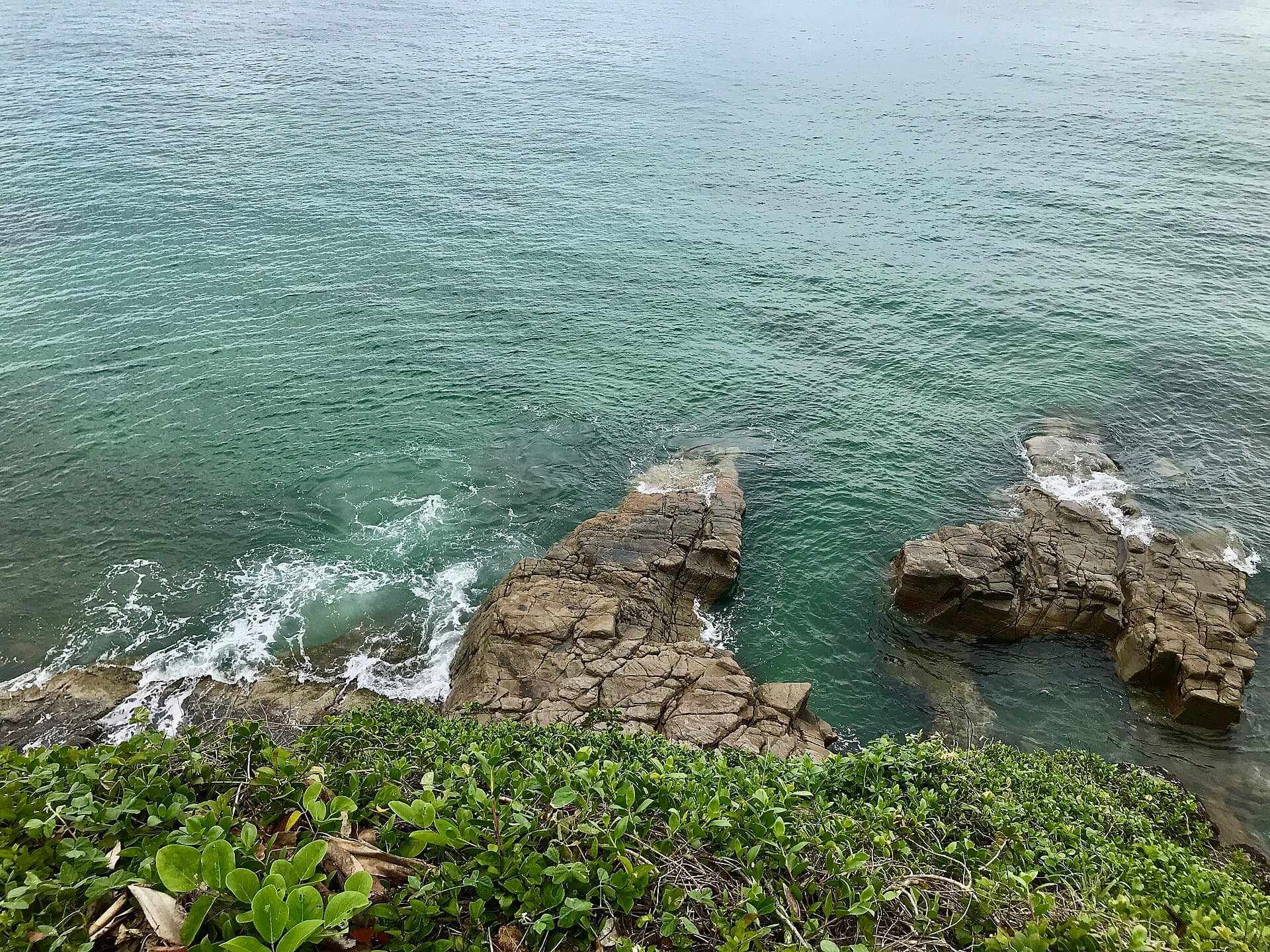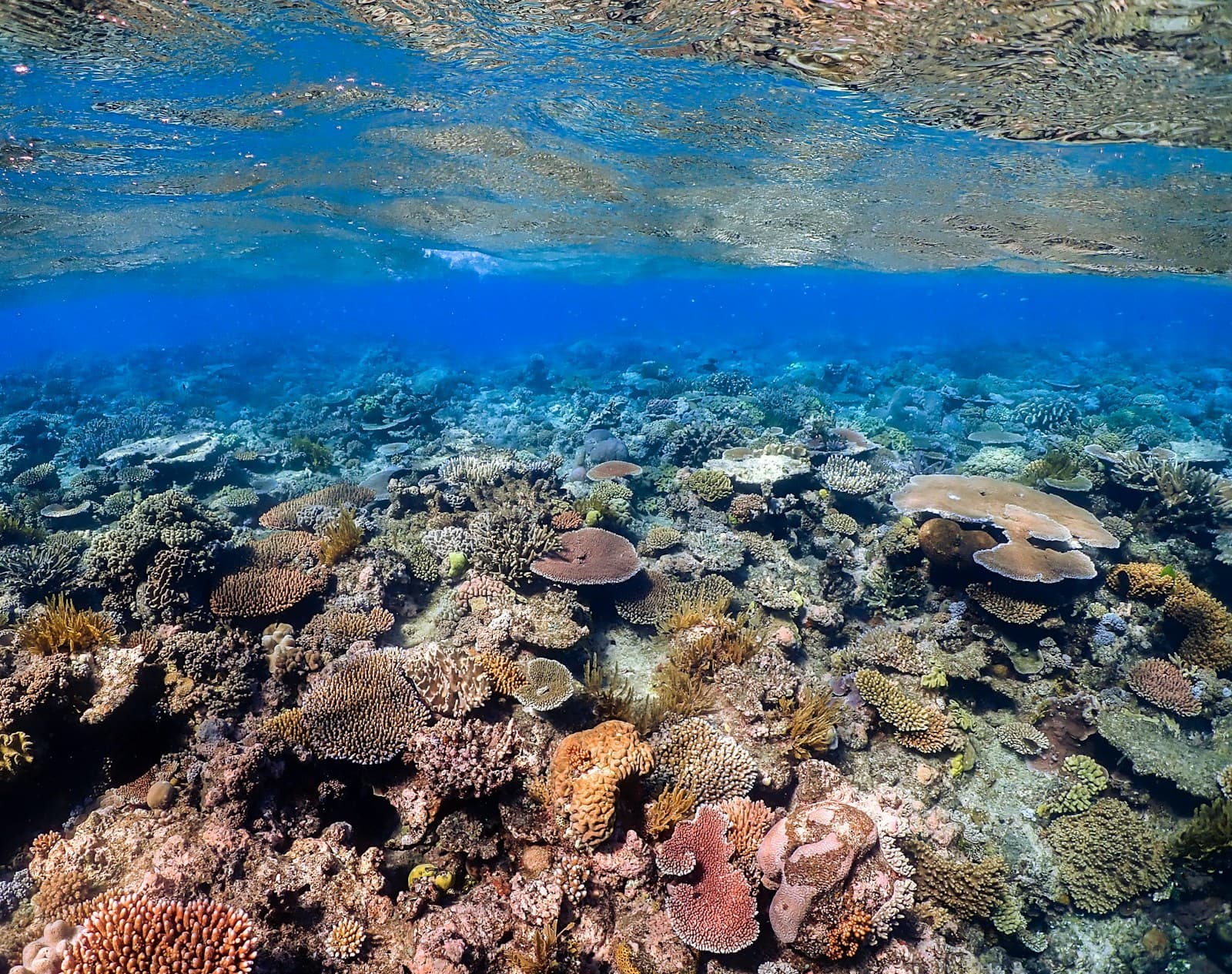
"The reef is dying" and "the reef is fine" are both wrong. The reef is enormous, 2,300 km, and different parts are in radically different shape. Where you go matters more than what you do. The colour you'll remember for the rest of your life is on the outer reef at Lady Elliot or Ribbon Reefs. The sandy dead bits closer to shore aren't representative, and if you choose the wrong operator you'll see those and come home disappointed.
This is ranked by the combination of reef health, time in the water, and how well the trip actually teaches you what you're looking at.
How we ranked these
Three things: (1) condition of the reef you'll actually visit (not the brochure reef), (2) hours in the water vs hours on the boat, (3) quality of the marine biologist or dive guide. Price matters less than you'd expect. A good $230 day trip beats a bad $320 one.
The 7 ways
1. Lady Elliot Island (day trip or stay)
Far south end of the reef, off the coast near Bundaberg. Fly in on a small plane from Hervey Bay or Bundaberg. The flight itself is the first highlight. The reef around Lady Elliot is in among the best condition on the entire GBR because it's remote, outside most cyclone paths, and carefully managed. Manta rays year-round, turtles every snorkel, reef sharks. Day trip around $899 including flights and equipment; an overnight stay is substantially better value per hour in the water. Downside: it's a serious logistical effort from Cairns or Brisbane, and weather cancels flights regularly.
2. Ribbon Reefs live-aboard from Cairns
A three or four-day live-aboard north to the Ribbon Reefs, the northernmost, healthiest, most remote sections accessible from Cairns. Up to four dives or snorkels a day, no day-trip crowds, and the Cod Hole at Ribbon #10 is one of the legitimate dive sites of the world. Mike Ball and Spirit of Freedom run the best operations. From $1,990 for three days. Downside: price, and you need to be comfortable on a boat for multiple nights. Seasickness prone travellers should reconsider.
3. Day trip from Port Douglas
Port Douglas sits 70 km north of Cairns and the reef directly offshore is in genuinely better shape than the reef off Cairns. The outer Ribbon and Agincourt reefs are closer. Quicksilver and Wavelength both run credible day trips; Wavelength is smaller, more educational, and caps numbers at around 30. Quicksilver is the big pontoon experience. Wavelength around $290, Quicksilver around $299. Downside: Port Douglas is an hour further from most accommodation, so it's an early start.
4. Lady Musgrave Island day trip
The forgotten option. Lady Musgrave sits in the southern GBR and is accessed by fast catamaran from Bundaberg or the Town of 1770 (real place name). The lagoon is a protected coral cay, the snorkelling is excellent, and there are a fraction of the crowds you'll see further north. Around $259 from 1770. Downside: 1770 and Bundaberg are genuinely remote. If you're driving Sydney to Cairns this is a fair detour, and the seas can be rough on the 90-minute crossing.
5. Day trip from Cairns (outer reef, not inner)
The honest version: a reef day trip from Cairns can be great if you choose the right operator. Passions of Paradise, Silversonic, and Sunlover all run credible trips to the outer reef. The key word is outer. Any trip that spends most of its day at an inner reef site like Green Island alone will disappoint you. Around $229 to $299. Downside: Cairns has more operators than any other reef gateway and the quality spread is enormous. Read reviews from the last 60 days, not 60 months.
6. Low Isles sail from Port Douglas
Low Isles is a small coral cay 15 km off Port Douglas. Sailaway and Wavedancer run half-day sailing trips there on catamarans. It's a gentler, more relaxed version of a reef day, good for travellers who don't love being herded off a big pontoon, or who get seasick on longer crossings. The reef immediately around Low Isles is moderate quality, not the outer reef standard. Around $219 for a half-day. Downside: as a reef experience it's a B+. As a day on the water, it's an A.
7. Scenic flight over the reef
A 40-minute seaplane or helicopter flight out of Cairns, Port Douglas, or Airlie Beach. You will not get in the water. What you will get is a view of Heart Reef, the outer reef edge, and the extraordinary scale of the thing, something you literally cannot appreciate from a boat. Best booked as a bolt-on to a day trip, not instead of one. From $299 for 30 minutes. Downside: the weather cancels these often, and at 30 to 40 minutes it feels short for the price.
Which one should you actually do
If you have one day and you're staying in Cairns: day trip to the outer reef with a mid-sized operator that caps numbers, or a Port Douglas day trip if you can swing the logistics.
If you have two nights: do a two-day live-aboard. You'll dive at night, which is a genuinely different experience.
If you have time and a rental car: reroute via 1770 and do Lady Musgrave. Fewer crowds, better snorkelling, and you'll skip the Cairns day-trip machine.
If you're already flying into Hervey Bay for whales (Jul-Oct): Lady Elliot is one of the top five reef experiences in Australia and you're already halfway there.
Seasonal honesty
Nov-May: wet season, stinger season. Box jellyfish and irukandji make swimming dangerous off mainland beaches but you're fine in a stinger suit on the reef itself. Visibility is often lower from Jan-Mar due to runoff. Cyclones cancel trips. Build a buffer day into your itinerary.
Jun-Oct: dry season. Best visibility, best weather, coolest water (around 23 degrees). Most crowded, most expensive. Book two to three weeks ahead in Jul-Sep.
The environmental question
If you're worried about visiting the reef, the short version: well-managed tourism is one of the things keeping the reef protected. The Environmental Management Charge ($7.50 per person per day) that every operator collects funds reef research and management. Going with a High Standard Tourism operator (the blue tick programme) keeps that money moving in the right direction. Don't skip the reef for ethical reasons; skip bad operators for ethical reasons.
:::ask-serge Ask Serge about: "I've got three days in Cairns and want to see the best reef possible, what do you actually recommend?" :::
The thing nobody tells you
The single best predictor of a great reef day is wind speed, not operator reputation. Under 15 knots the water clears and the reef comes alive. Above 20 knots, even a perfect trip will feel rough and murky. Check the BOM forecast for Cairns the day before, and if it's going to blow, move your trip a day.